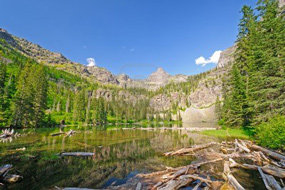
Discover the Enchantment of Snyder Lake: A Glacier National Park Gem
Nestled high in a scenic basin, Snyder Lake in Glacier National Park offers adventurers a captivating blend of pristine alpine beauty, engaging hiking trails, and a unique perspective on the park's resilience. From vibrant wildflowers adorning its meadows to the excellent cutthroat trout fishing in its clear waters, a journey to Snyder Lake is an unforgettable experience. This guide delves into everything you need to know about exploring this popular destination, including navigating its post-fire landscapes and appreciating its rich history.
Charting Your Course: The Trail to Snyder Lake
Your adventure to Snyder Lake begins at the bustling Sperry Trailhead, conveniently located directly across the road from the iconic Lake McDonald Lodge. Almost immediately, after a brief segment shared with horse paths, the trail merges with the well-trodden Gunsight Pass Trail. This initial stretch is a microcosm of Glacier’s diverse ecosystems, taking you through an ancient forest where colossal red cedar, western larch, and hemlock trees stand sentinel. As the elevation gradually increases, these give way to a dense, verdant spruce-fir forest.
This early section of the trail is a hive of activity, often shared by numerous hikers and equestrians heading towards various destinations, including the historic Sperry Chalet. The ascent is steady but generally manageable, making it a relatively tame trek compared to some of Glacier’s more strenuous climbs, a characteristic that makes Snyder Lake particularly appealing to a wider range of hikers. Many consider it an accessible yet deeply rewarding backcountry experience, bridging the gap between an easy day hike and a challenging alpine expedition.
Roughly 1.6 miles from the trailhead, after gaining over 900 feet in elevation, you’ll reach the junction for the Mt. Brown Trail. Just a mere tenth of a mile further, a distinct left turn marks the beginning of the dedicated Snyder Lake Trail. From this point, the path largely parallels Snyder Creek, which gracefully carves its way down the valley nestled between the impressive Mt. Brown to the north and Edwards Mountain to the south. This segment of the journey is not only scenic but also a vital corridor for wildlife, so remain vigilant and practice proper bear safety.
Navigating Glacier's Post-Fire Landscape: The Sprague Fire's Legacy
One of the most profound aspects of the hike to Snyder Lake in Glacier National Park is the opportunity to witness the enduring legacy and remarkable recovery following the Sprague Fire. Around three-quarters of a mile from the trailhead, hikers will begin to observe the distinct burn scars left by the blaze, which ignited on August 10, 2017. Sparked by lightning along the north side of Sprague Creek, the wildfire consumed nearly 17,000 acres over two months, tragically destroying the interior of the historic Sperry Chalet dormitory.
As you traverse this area, you'll notice the meticulous work of park crews who have tirelessly cleared thousands of fallen trees from the trails. While this ensures safe passage, it also means that some sections of the trail, once shaded by towering canopy, now offer limited cover. This altered landscape, however, presents a unique perspective. The absence of dense foliage opens up new vistas, allowing sunlight to penetrate areas that were once perpetually dim. It also provides a fascinating glimpse into ecological succession, where new growth emerges from the ashes, attracting different species of plants and animals. Keep an eye out for resilient fireweed and other early successional plants that thrive in these sun-drenched areas, creating new bursts of color and life.
Witnessing this regeneration firsthand is a powerful reminder of nature’s resilience and the dynamic processes that shape Glacier National Park. The trail, though changed, remains a testament to both destruction and rebirth, offering a unique educational component to your wilderness experience.
Snyder Lake's Pristine Beauty: Fishing, Wildflowers, and Panoramic Views
After gaining another thousand feet over the next 2.5 miles, the trail culminates at an elevation of nearly 5,250 feet, before a short, welcome descent brings you to the tranquil shores of Snyder Lake. This alpine gem is truly a sight to behold, cradled within a majestic basin. Towering above to the north is 8,565-foot Mt. Brown, while Edwards Mountain anchors the southern horizon. Directly ahead as you arrive at the lake's foot, the distinctive 7,886-foot Little Matterhorn stands proudly to the northeast. Keep an eye out for several mesmerizing waterfalls cascading down the sheer cliff walls that encircle the lake, adding to its dramatic allure and providing a soothing soundtrack to your visit.
Fishing for Cutthroat Trout
For anglers, Snyder Lake is a delightful proposition. It's renowned for its easy fishing, offering a high probability of catching small (typically around 8-inch) cutthroat trout. While you won't find trophy-sized "lunkers" here, the abundance of eager trout in such a breathtaking setting makes for a wonderfully rewarding experience. Fly fishermen will find success with virtually any dry fly presented with reasonable finesse – from an elk hair caddis to a parachute Adams. Spin fishermen can achieve similar results with small spinners or even simple live bait. The clear, cold waters make for an active fishing environment, perfect for introducing beginners to the sport or for seasoned anglers seeking a peaceful afternoon. Remember to always check Glacier National Park's current fishing regulations and practice catch-and-release to help preserve the native populations.
A Tapestry of Wildflowers
Depending on your timing, the trail to Snyder Lake, particularly along Snyder Creek, transforms into a vibrant canvas of wildflowers. From late spring through mid-summer, the valley floor and higher meadows burst with color. You might encounter a diverse array of species, from the delicate purples of lupine and fireweed (often abundant in burn areas) to the sunny yellows of arnica and the striking blues of penstemon. Beargrass, with its iconic white stalks, also makes a grand appearance, especially in years following a good snowpack. These floral displays add another layer of beauty to an already picturesque hike, making it a paradise for nature photographers and botanists alike. The transition from the lower forest to the subalpine meadows ensures a continuous show of various blooms throughout the season, inviting multiple visits.
Planning Your Visit: Tips for a Rewarding Snyder Lake Adventure
A successful trip to Snyder Lake in Glacier National Park requires thoughtful preparation. Given its popularity and the nature of the terrain, a few key considerations will enhance your experience:
- Bear Safety: The route to Snyder Lake passes through tall vegetation, which can provide excellent cover for bears. It is imperative to make plenty of noise as you hike (talk loudly, clap, sing) and carry bear spray, knowing how to use it. Stay alert and keep an eye out for any signs of wildlife.
- Hydration and Snacks: This is a moderate hike with significant elevation gain. Carry ample water and energy-rich snacks to sustain you throughout the approximately 8.2-mile round trip.
- Layered Clothing: Mountain weather can change rapidly. Dress in layers, including waterproof outer shells, even on a sunny day. The summit area can be much cooler and windier.
- Footwear: Sturdy hiking boots with good ankle support are recommended for the varied terrain, which includes rocky sections, roots, and potentially muddy patches.
- Sun Protection: With sections of the trail now offering limited shade due to the Sprague Fire, sunscreen, a wide-brimmed hat, and sunglasses are essential.
- Timing: For peak wildflowers, aim for late June to early August. For more reliable trail access and longer daylight hours, mid-summer is ideal. The trail can be busy, especially on weekends, so consider an early start for more solitude.
- Permits & Regulations: Always check the current Glacier National Park regulations for day-use and backcountry travel, including any temporary closures or bear activity alerts.
For more detailed insights into the trail's characteristics and historical significance, you might find Snyder Lake in Glacier: A Tamer Trek with Historic Roots a valuable resource for planning your journey.
The Legacy of Snyder Lake: A Glimpse into Glacier's Past
Beyond its natural splendor, Snyder Lake carries a fascinating piece of Glacier National Park's early history, bearing the name of George Snyder. In 1895, Snyder was a pivotal figure in developing tourism in the area. He constructed a framed, two-story hotel at the very location where the Lake McDonald Lodge now stands. That same year, displaying remarkable entrepreneurial spirit, he built a road from the newly established railroad depot at Belton (now West Glacier) to the fledgling village of Apgar. This ambitious infrastructure project allowed him to transport a newly purchased 40-foot steamboat to Lake McDonald. Visitors arriving by train could then travel the newly built road to Apgar, board Snyder's steamboat, and enjoy an eight-mile voyage up the lake to his hotel, which was then known as the "Snyder Hotel." His foresight laid much of the groundwork for the visitor experience that continues to thrive in the Lake McDonald area today, making the lake not just a natural wonder but also a living historical landmark.
Conclusion: An Unforgettable Glacier Experience
A visit to Snyder Lake in Glacier National Park is far more than just a hike; it's an immersive experience that weaves together stunning natural beauty, a dynamic post-fire landscape, the thrill of alpine fishing, and a tangible connection to the park's pioneering past. Whether you're drawn by the promise of vibrant wildflowers, the challenge of a rewarding climb, or the tranquility of a secluded mountain lake, Snyder Lake offers an accessible yet profoundly wild adventure. Prepare diligently, embrace the journey, and allow yourself to be captivated by one of Glacier's truly special destinations.
