Hike to Snyder Lake: Your Guide to Glacier's Accessible Gem
Nestled within the breathtaking expanse of Glacier National Park lies Snyder Lake, a pristine alpine oasis often hailed as one of the park's more accessible backcountry gems. For those yearning to experience the wild serenity of a high-mountain lake without embarking on an extreme wilderness expedition, the hike to
Snyder Lake in Glacier National Park offers an ideal blend of challenge, reward, and unparalleled natural beauty. This comprehensive guide will walk you through everything you need to know to plan a memorable journey to this captivating destination, from the trail's starting point to its historical roots and the abundant wildlife you might encounter.
Embarking on the Snyder Lake Trail: Your Journey Begins
Your adventure to Snyder Lake commences at the Sperry Trailhead, conveniently situated directly across the road from the iconic Lake McDonald Lodge. This initial segment, known as the Gunsight Pass Trail, quickly plunges you into Glacier's magnificent old-growth forest. Here, towering red cedar, western larch, and hemlock create a verdant canopy, gradually transitioning to a dense spruce-fir forest as the elevation climbs.
This heavily utilized section of the trail is a popular thoroughfare, shared by many hikers and horses en route to various destinations, including the historic Sperry Chalet. The immediate ascent sets the tone, but the well-maintained path and the ancient forest's tranquility make for a captivating start.
At approximately three-quarters of a mile in, you'll begin to notice the subtle, yet poignant, reminders of the 2017 Sprague Fire. Ignited by a lightning strike along Sprague Creek, this two-month blaze scorched nearly 17,000 acres and tragically destroyed the interior of the Sperry Chalet dormitory. While the landscape still bears scars, it also showcases nature's incredible resilience. Park crews have diligently cleared thousands of fallen trees from the trails within the burn area, making them passable once more. However, be prepared for sections with limited shade, a direct consequence of the fire's impact. It's wise to pack extra water and sun protection, especially on warmer days, as you traverse these more exposed stretches.
Navigating Towards Snyder Lake: A Scenic Diversion
The trail continues its steady climb, and after gaining over 900 feet in elevation, you'll reach the Mt. Brown Trail junction, roughly 1.6 miles from the trailhead. Just a tenth of a mile beyond this point, a crucial left turn marks the official start of the Snyder Lake Trail. This turn-off signals your dedicated path towards the lake, leaving the more heavily trafficked Gunsight Pass route behind.
From this junction, your journey largely follows Snyder Creek, a picturesque waterway carving its way through the valley nestled between the imposing peaks of Mt. Brown to the north and Edwards Mountain to the south. Much of this route to Snyder Lake winds through tall, dense vegetation, creating an immersive wilderness experience. This type of environment also means heightened awareness is key for wildlife safety. It is paramount to make consistent noise – talking loudly, singing, or clapping – to alert any bears to your presence. Always keep an eye out for wildlife, carry bear spray, and know how to use it. Hiking in groups is also an excellent strategy for reducing bear encounters.
Depending on the time of year you visit, this stretch of trail can burst into a vibrant display of wildflowers, painting the forest floor with splashes of color. Imagine hiking amidst a natural botanical garden, a testament to Glacier's rich biodiversity. For more insights into this phenomenon and the evolving landscape, explore our related article:
Snyder Lake: Fishing, Wildflowers, and Glacier's Post-Fire Trails.
The Allure of Snyder Lake: High Basin Beauty and History
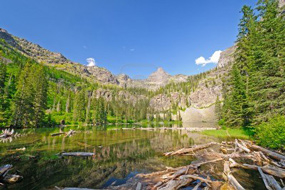
The final leg of the ascent demands another thousand feet of elevation gain over approximately 2.5 miles. The trail finally tops out at nearly 5,250 feet before making a delightful, short descent down to the shimmering waters of Snyder Lake. This high-alpine basin is a truly magnificent sight, cradled by towering peaks. To the north, the majestic 8,565-foot Mt. Brown dominates the skyline, while Edwards Mountain anchors the southern side. Directly ahead as you arrive at the lake's foot, the dramatic 7,886-foot Little Matterhorn stands sentinel towards the northeast. As you scan the surrounding cliff walls, you might even spot several delicate waterfalls cascading down, adding to the ethereal beauty of the scene.
Beyond its visual splendor,
Snyder Lake in Glacier National Park is also a popular spot for anglers. Compared to many other remote lakes in Glacier, it offers remarkably easy fishing for small cutthroat trout. While you won't be reeling in any record-breaking lunkers here, the lake is teeming with eager trout typically in the 8-inch range. Virtually any dry fly presented with reasonable finesse will attract a bite, and spin fishermen will find success with small spinners or even live bait. It's a fantastic opportunity for a peaceful fishing experience in a stunning environment.
The lake and its namesake creek owe their names to George Snyder, a pioneering figure in Glacier's early tourism. In 1895, Snyder constructed a two-story framed hotel at what is now the site of the Lake McDonald Lodge. That same year, he embarked on an ambitious project: building a road from the new railroad depot at Belton (present-day West Glacier) to the small village of Apgar. This road wasn't just for general travel; it was crucial for transporting the 40-foot steamboat he had recently purchased to Lake McDonald. Visitors arriving by rail could then travel to Apgar, board his steamboat, and enjoy an eight-mile cruise up the lake directly to his hotel. Snyder's foresight and entrepreneurial spirit laid much of the groundwork for the visitor experience in this area, making the lake's namesake a testament to his enduring legacy. To delve deeper into this captivating history and the trail's unique character, don't miss our article:
Snyder Lake in Glacier: A Tamer Trek with Historic Roots.
Planning Your Snyder Lake Adventure: Tips for a Rewarding Hike
While the hike to
Snyder Lake in Glacier National Park is often described as "accessible" or "tame" compared to other backcountry endeavors, it's important to set realistic expectations. It does involve a significant vertical climb – approximately 2,000 feet over 4.2 miles – but this gain is generally gradual for much of the path, making it less strenuous than some of its steeper counterparts like the trail to Avalanche Lake. It's a moderately challenging hike that rewards those who are reasonably fit.
To ensure a safe and enjoyable trip, consider these practical tips:
*
Hydration is Key: Carry ample water, especially given the potential for exposed, sunnier sections through the burn area.
*
Pack Smart: Bring energy-rich snacks, sunscreen, a hat, and rain gear, as mountain weather can change rapidly. Sturdy hiking boots are essential for uneven terrain.
*
Bear Awareness: Always carry bear spray and know how to deploy it. Make noise on the trail, especially in areas with dense vegetation.
*
Best Time to Visit: Late spring (once snow has largely melted) offers stunning wildflowers, while early fall provides cooler temperatures and vibrant autumn colors. Summer is popular but can be crowded.
*
Crowd Management: Given its proximity to Lake McDonald Lodge and its relative accessibility, the trail can see significant use. Consider starting your hike early in the morning or planning a weekday visit to avoid peak crowds.
*
Leave No Trace: Pack out everything you pack in, stay on marked trails, and respect wildlife to preserve the pristine beauty of Glacier National Park for future generations.
The popularity of Snyder Lake is well-deserved. Its combination of accessible challenge, profound natural beauty, and fascinating historical connections makes it a quintessential Glacier experience.
Conclusion
The hike to
Snyder Lake in Glacier National Park is more than just a walk in the woods; it's an immersive journey through ancient forests, past fire-sculpted landscapes, and into a serene alpine basin steeped in natural splendor and human history. Offering a rewarding challenge that feels less daunting than many of Glacier's other backcountry expeditions, Snyder Lake truly lives up to its reputation as an accessible gem. Whether you're seeking panoramic views, the thrill of fly-fishing, or simply a tranquil escape into the heart of the Rocky Mountains, Snyder Lake promises an unforgettable adventure. Pack your bags, lace up your boots, and prepare to discover one of Glacier's most beloved destinations.